
The RFID tag technology is not mature
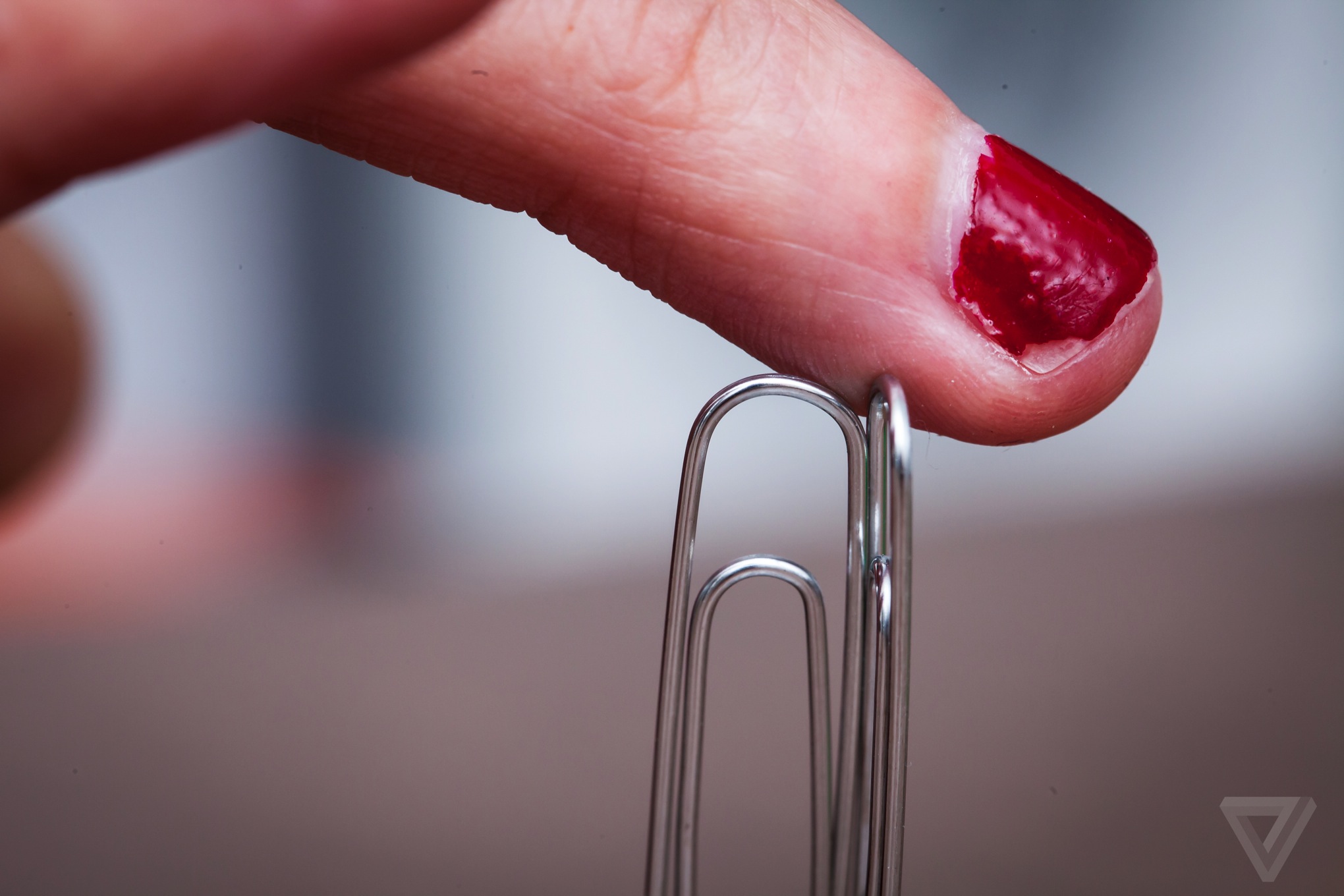
Well, I come from the future, and I’m here to tell you: transcending the limits of the flesh can be downright dull.
Basically, subcutaneous skin implants are more hype than useful.
A year and a half later, I bought an NFC chip, deciding that if it was even a fraction as much fun as the magnet, I wanted it. It wasn’t hard to find. The site Dangerous Things sells a passive tag — a chip that doesn’t require a battery to work, like the ones you find in rings or business cards or stickers — pre-loaded into a syringe and packaged with plastic gloves and disinfectant.
Currently, only the most dedicated feel the need for such implants.
What I have feels like a piercing that can incidentally hold a kilobyte of data, and someone online very aptly compared it to the RFIDs you use to tag your pets. I knew beforehand that its value would be determined by how well other things support it, but I hadn’t fully understood how often I would bump up against that fact, or how much of a contrast it would be to the narrative of cyborg conversion. It’s also a strange reminder that someday, small parts of me will be obsolete.